


Are you planning to add a pet to your family? Congratulations – we are so excited for you!
Australia has one of the highest pet ownership rates in the world, with around 69 per cent of households having a pet1. Dogs are the most common household pet at 48 per cent, followed by cats at 33 per cent1.
When you think about some of the challenges of Defence family life – the postings, your serving member being away on deployments or exercises, and the loneliness you can feel – it’s understandable to want to come home to, or curl up with, a furry, scaly, or feathered friend.
The benefits of having a pet are well documented: increasing opportunities for physical activity, companionship, helping children learn, stress reduction…
But having a pet comes with additional considerations when you’re a current serving Defence member – or family. We’ve highlighted some things for you to think about before you start browsing ‘rescue animals near me’:
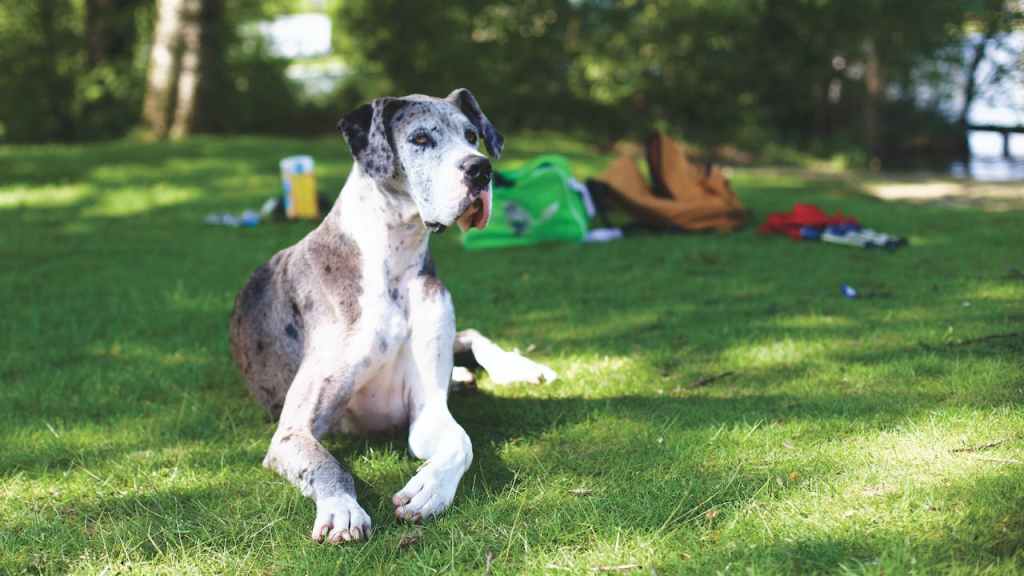
Image: Matthias Zomer\Pexels
Size does matter
A key thing to think about is whether the size of your pet may be a problem if you are posted to a location with limited outdoor space. Particularly in built-up areas like Canberra and Sydney, you may be less likely to secure a house with a large compound than you would in the Northern Territory, for instance. Suitability – and availability – of a Service Residence for your entire family should be a top consideration.
Differing state or territory laws
States and territories in Australia have different rules around certain types of pets, and the penalties for breaking biosecurity laws can be significant. For instance, pet rabbits are banned in Queensland, with the penalty for keeping one as much as $71,875. In NSW, you can keep long-necked turtles, bearded dragons and diamond pythons with a reptile licence, but it is illegal to keep a crocodile. Whereas in the NT, crocs can be kept as pets in urban areas as long as they measure under 60cm long. Researching laws in advance can help save you the heartbreak of possibly farewelling your pet when you post to a new location.
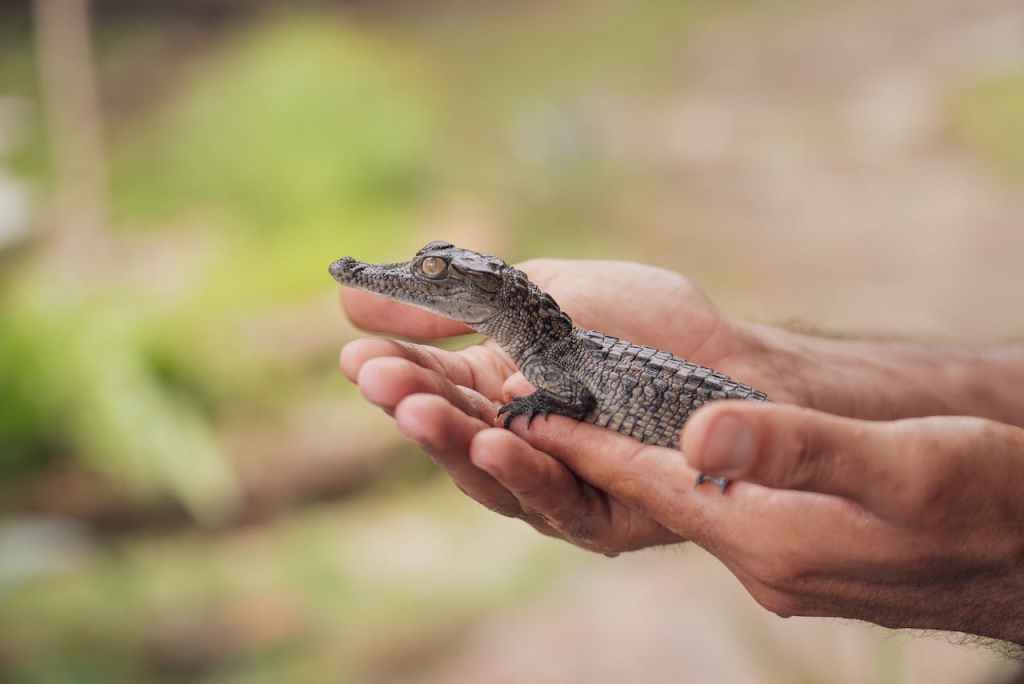
Image: Los Muertos Crew\Pexels
Additional rules
For most Defence Housing Australia properties, pets are allowed in most conditions, provided they are domestic and not kept for business or commercial purposes. Additionally, pets must be able to be kept without breaking any relevant laws or body corporate rules. If you are opting for Member Choice Accommodation, you may have to comply with additional rules, including paying an application fee to seek body corporate approval to keep your pet.
Every time you go away
Being away from home for any period of time, whether it’s for a course, exercise, or deployment is part of the role as an ADF member. If you are single, or a dual-serving family, another consideration is who will look after your pet if you’re away. What if you decide to go interstate or overseas for Christmas or a holiday; who will care for your pet then? Some people have no problem using pet boarding services, however some businesses may require advance booking….and can book up months in advance.

Image: Cong H\Pexels
Transporting your pet
Is your pet easily transportable? Do they have additional needs while being transported, including medication needs or sedation? If you keep exotic fish or a crocodile (for instance!) can you afford to pay for the movement of your pet upfront while waiting for the Toll reimbursement?
Posting season considerations
Another thing to think about before you get a pet is temporary accommodation during posting season, particularly during the peak times of November to January. If your pet can’t be transported by a pet transport provider, or kennelled, what are you going to do for temporary accommodation? There are pet friendly accommodation options, but your options may be limited, and not be suited to your other needs.

Image: Bethany Ferr\Pexels
Who’s the boss?
Will there be a clear ‘alpha’ or ‘boss’ in your family if you have a pet dog? If your pet is trained to respond to the member and the member deploys, will it be difficult for the rest of the family to care for it? Behavioural problems can cause stress for other family members, and may result in damage to property.
Damage to property
Animals have a mind of their own – and sometimes, your property can land up as collateral damage. From broken fly screens to dug up lawns, to chewed up skirting boards and grubby paw prints on the freshly-painted walls, there’s a lot than can go wrong. If your pet goes on a destructive spree, can you afford to pay for any damage?
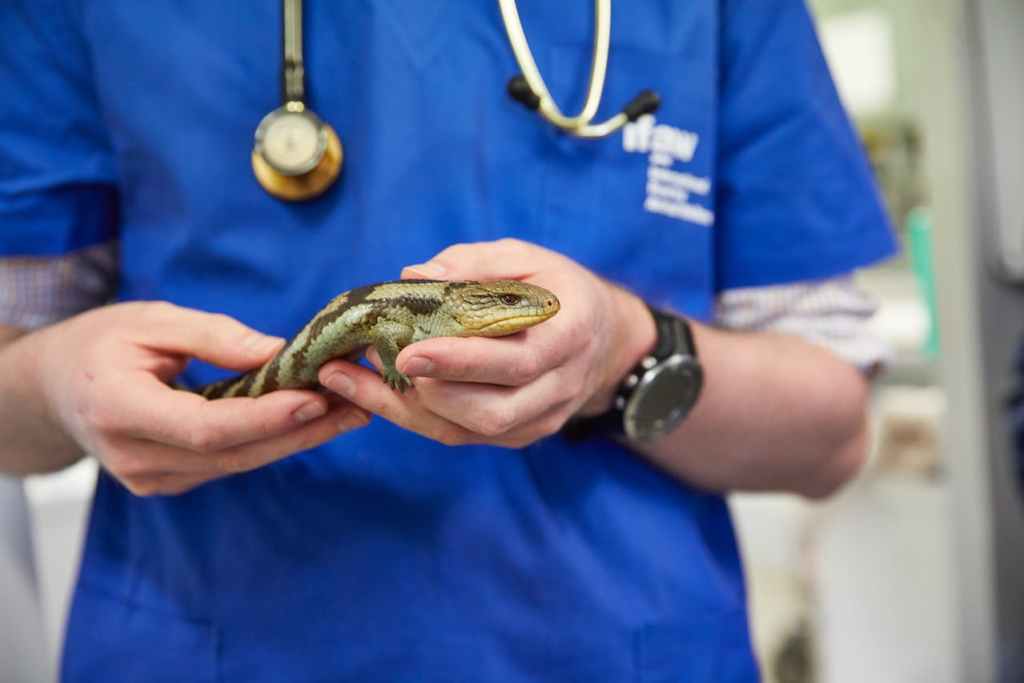
Image: International Fund for Animal Welfare\Pexels
Medical matters
A final consideration is your pet’s health, wellbeing, and access to veterinarian services. Some parts of Australia, from northern Queensland to Victoria, may have increased prevalence of ticks, so you may need to be extra vigilant or use topical tick prevention products regularly. If your pet has allergies or sensitivities, or are ageing (Canberra winters can be rough on humans and dogs!), vet access is something else you need to think about.
The DFA team understand how important pets are as part of the family unit, and have been advocating for additional supports for members and families who have pets. You can view our advocacy goals relating to pets in our Advocacy Map.
We have also been advocating for greater geographical certainty during a posting for the benefit of Defence families: for partner employment, for the kids’ education, for access to regular required services, and of course, for your pets.
If you believe there are additional gaps in policy we can help advocate for, please reach out to the National Delegate for your state or territory.
After considering all the points above, if you do go ahead with getting a pet, we wish you all many happy years together.
Welcome to Defence family life, little one!
[1] Animal Medicines Australia ,(2022), Pets in Australia: A national survey of pets and people